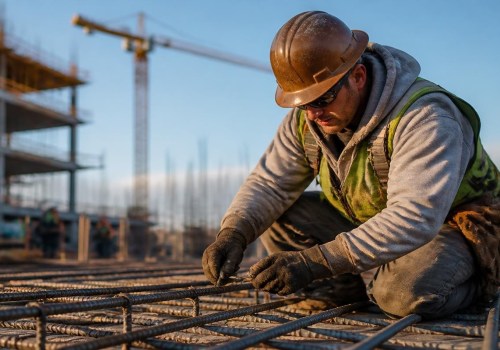
In today's competitive job market, many individuals are seeking hands-on jobs that pay well and offer a rewarding career path. One of the most promising sectors in this regard is the manufacturing and assembly industry, which not only provides numerous employment opportunities but also boasts impressive earning potential. As technology continues to advance and industries evolve, the demand for skilled workers in manufacturing and assembly roles is on the rise. Whether you're a school leaver eager to jumpstart your career or a seasoned professional contemplating a change, exploring high-paying manufacturing and assembly jobs can open doors to fulfilling and financially stable careers. The landscape of these jobs is diverse, encompassing a range of roles from machinists to assembly line supervisors, each requiring different skill sets and training.
With advancements in automation and smart manufacturing, many positions are evolving, offering exciting challenges and opportunities for growth. This article will delve into the various types of manufacturing and assembly jobs available, highlighting their responsibilities, potential salaries, and pathways to entry. By understanding the options available in this sector, you can make informed decisions that align with your career aspirations and financial goals. The world of manufacturing and assembly jobs is vast and filled with opportunities, especially for those seeking hands-on jobs that pay well. These careers not only provide financial stability but also offer the satisfaction of working with tangible products and technologies.
As industries evolve, the demand for skilled tradespeople continues to grow, making these roles appealing to school leavers and career changers alike. Within the manufacturing sector, there is a rich variety of positions available. For instance, machinists operate and maintain machinery to create precision parts, while welders join metal components using various welding techniques. Electricians are responsible for installing and repairing electrical systems, ensuring safety and efficiency in industrial settings. Additionally, assembly line workers play a crucial role in the production process by assembling products or components in a systematic manner.
Each of these roles requires specific skills and training that differ significantly from typical office jobs, which often prioritize academic credentials over practical abilities. To succeed in these manufacturing and assembly jobs, individuals must possess a mix of technical aptitude, attention to detail, and problem-solving skills. For example, machinists need to be adept at reading blueprints and understanding complex machinery, while welders must master various welding techniques and safety protocols. Electricians require knowledge of electrical systems and codes, whereas assembly line workers should be able to work efficiently in a fast-paced environment. Unlike office jobs that may involve extensive computer work or administrative tasks, these hands-on positions focus on physical skills and craftsmanship. When it comes to compensation, many manufacturing and assembly jobs offer competitive salaries that can rival those of traditional white-collar professions.
For instance, the average salary for machinists can range from $40,000 to $60,000 annually, depending on experience and specialization. Welders can expect similar earnings, with skilled welders in specialized fields earning upwards of $70,000 per year. Electricians also enjoy lucrative salaries, often earning between $50,000 and $80,000 annually based on their level of expertise. Assembly line workers may start at lower wages but can increase their earnings through experience and advancement into supervisory roles. Accessibility to these careers is enhanced through various training programs, apprenticeships, and certification processes.
Many community colleges and vocational schools offer courses tailored to manufacturing skills. Apprenticeships provide hands-on experience under the guidance of seasoned professionals, allowing individuals to earn while they learn. Certifications in specific areas—such as welding or electrical work—can further boost job prospects and earning potential. These pathways make it feasible for individuals without a university degree to enter high-paying trades.Industries currently hiring for these roles include automotive manufacturing, aerospace engineering, and consumer goods production. Many community colleges and vocational schools offer courses tailored to manufacturing skills. Apprenticeships provide hands-on experience under the guidance of seasoned professionals, allowing individuals to earn while they learn. Certifications in specific areas—such as welding or electrical work—can further boost job prospects and earning potential. These pathways make it feasible for individuals without a university degree to enter high-paying trades. Industries currently hiring for these roles include automotive manufacturing, aerospace engineering, and consumer goods production.
With the rise of advanced manufacturing technologies such as automation and robotics, companies are constantly seeking skilled workers who can adapt to new challenges. This trend highlights the ongoing need for trained professionals in these fields. Despite common misconceptions about manual labor jobs being less prestigious or rewarding than corporate positions, many individuals have successfully built fulfilling careers in manufacturing and assembly. Stories abound of tradespeople who have not only achieved financial independence but have also found pride in their craftsmanship and contributions to society. As more people recognize the value of skilled trades, the perception of hands-on jobs that pay well continues to shift positively. In conclusion, exploring the landscape of manufacturing and assembly jobs reveals a wealth of opportunities for those seeking dynamic careers that offer both practical engagement and strong earning potential.
The shift towards valuing skilled trades as viable career paths marks an important development in today's job market.
Industry Demand and Job Security
The landscape of hands-on jobs that pay well is rapidly evolving, particularly in the manufacturing sector. Current job market trends indicate a strong demand for skilled labor, driven by advancements in technology and a growing emphasis on quality and efficiency. Many manufacturers are struggling to fill positions due to a shortage of qualified workers, leading to increased job security for those entering the field. As companies seek to maintain competitiveness, they are investing in training programs and apprenticeship opportunities, recognizing the value of developing a skilled workforce. This demand is reflected in the rising wages for manufacturing and assembly jobs.As employers compete for talent, they are offering attractive compensation packages that not only include higher hourly rates but also benefits such as healthcare and retirement plans. Consequently, individuals considering a career in manufacturing can find both stability and financial rewards in this sector. Moreover, job security in manufacturing is bolstered by the essential nature of these roles. Skilled trades are critical to the economy, contributing to everything from construction to product assembly. As industries continue to grow and evolve, the need for skilled workers will only increase, ensuring that those who pursue hands-on jobs that pay well have ample opportunities for stable employment.
Skills That Matter
In the realm of hands-on jobs that pay well, possessing the right skills is crucial for success in manufacturing and assembly roles.These positions not only demand technical abilities but also require a range of soft skills that contribute to a well-rounded professional. Technical skills are foundational in these fields. Proficiency in operating machinery, understanding blueprints, and familiarity with quality control processes are essential for ensuring products are manufactured to specifications. Additionally, knowledge of safety regulations and compliance standards cannot be overlooked, as they help maintain a safe working environment for everyone involved.
Many of these roles may also require specific certifications or training, making it important for aspiring workers to seek out educational opportunities that enhance their technical capabilities. Alongside technical know-how, soft skills play a significant role in the success of individuals in manufacturing and assembly jobs. Communication skills are vital, as employees must often collaborate with team members and supervisors to achieve production goals. Problem-solving abilities are equally important; workers frequently face unexpected challenges on the floor, and being able to think critically and adapt is key to overcoming obstacles efficiently. Furthermore, time management skills are essential in this fast-paced environment, enabling individuals to meet deadlines while maintaining quality standards. Ultimately, the combination of strong technical abilities and essential soft skills prepares candidates for a rewarding career in manufacturing and assembly.
Those who invest time in developing these competencies will find themselves well-equipped to thrive in hands-on jobs that pay well, contributing effectively to their teams and advancing in their careers.
Pathways to Entry
For those interested in hands-on jobs that pay well, understanding the various pathways to entry is crucial for building a successful career in manufacturing and assembly. The field is not only rewarding but also offers numerous educational options that cater to different learning styles and career aspirations. One of the most common routes into skilled trades is through vocational training programs. Many community colleges and technical schools offer courses specifically designed for manufacturing and assembly careers. These programs often provide hands-on training that equips students with the practical skills needed in the workplace.Additionally, they typically cover essential topics such as safety protocols, machine operation, and quality control, ensuring that graduates are job-ready. Another valuable pathway is through apprenticeship programs. These programs combine on-the-job training with classroom instruction, allowing individuals to earn while they learn. Apprenticeships are particularly beneficial as they provide real-world experience and often lead to full-time employment upon completion. Many employers in the manufacturing sector actively seek out apprentices, making it a viable option for those looking to enter the field. For those who prefer a more flexible approach, obtaining relevant certifications can also pave the way into high-paying manufacturing and assembly jobs.
Various organizations offer certification programs that validate an individual's skills in specific areas, such as welding, machining, or quality assurance. These certifications can enhance a resume and demonstrate a commitment to professional development, which is attractive to potential employers. In summary, there are multiple pathways available for those eager to start a career in manufacturing and assembly. Whether through vocational training, apprenticeships, or certifications, individuals can find the right fit for their career goals and start on a path toward lucrative hands-on jobs that pay well.
Key Manufacturing Roles
In the realm of hands-on jobs that pay well, manufacturing roles stand out due to their blend of physical activity, technical skills, and lucrative pay. The manufacturing sector offers a variety of positions that cater to different skill sets and interests, making it an attractive option for those seeking a fulfilling career without the necessity of a university degree. One key role is that of a Manufacturing Technician.These professionals are responsible for operating and maintaining machinery, ensuring production runs smoothly. They typically require strong mechanical skills and attention to detail, with an average salary ranging from $40,000 to $60,000 per year. Another critical position is the Quality Control Inspector. This role involves examining products during various stages of production to ensure they meet specific standards. Quality Control Inspectors need keen observational skills and a solid understanding of manufacturing processes.
On average, they earn between $35,000 and $55,000 annually. The role of a Production Supervisor is also significant in manufacturing settings. Supervisors oversee the production team, ensuring that operations are efficient and safe. They often require leadership skills and experience in the field, with salaries typically ranging from $50,000 to $80,000 per year. Lastly, Welders play a crucial role in many manufacturing environments. They join metal parts together using various welding techniques, which requires technical training and precision.
Welders can earn anywhere from $40,000 to $70,000 annually, depending on their experience and the complexity of their work. These roles not only highlight the diversity within the manufacturing sector but also demonstrate the strong earning potential available for those willing to pursue hands-on jobs that pay well. With the right skills and training, individuals can find fulfilling careers that offer both financial rewards and job satisfaction. In conclusion, pursuing a career in manufacturing and assembly jobs presents numerous benefits, including the potential for high earnings and personal fulfillment. As we have explored, these hands on jobs that pay well not only offer financial stability but also provide a sense of accomplishment through tangible work. With a growing demand for skilled tradespeople, now is an opportune time for school leavers and career changers to consider these roles as viable options for their future. Moreover, the shift in perspective towards skilled trades highlights their importance in our economy and underscores the value of practical skills.
By choosing a path in manufacturing and assembly, individuals can enjoy rewarding careers that align with their interests and strengths, all without the burden of a university degree. We encourage readers to explore these exciting opportunities and take the first step towards a fulfilling career.