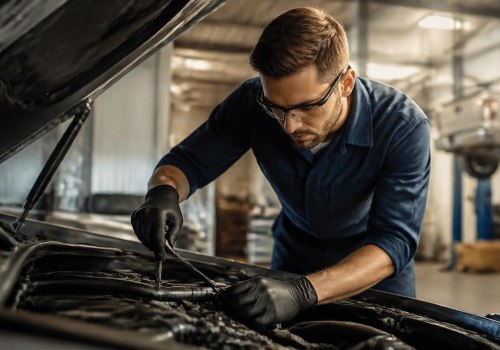
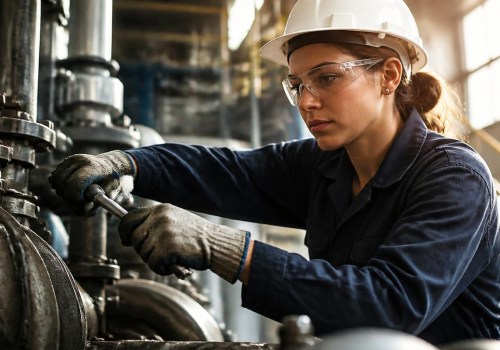
In a world where career options are often dominated by traditional paths, hands-on jobs that pay well offer a refreshing alternative for those seeking fulfillment beyond the confines of a desk. Skilled trades not only provide financial stability but also empower individuals to create, innovate, and solve problems in tangible ways. Among these skilled professionals, women are making remarkable strides, breaking barriers, and redefining what it means to succeed in fields that have long been male-dominated. This article delves into the inspiring journeys of women who have ventured into skilled trades, showcasing their unique experiences and triumphs. From electricians and plumbers to carpenters and welders, these trailblazers are not only crafting successful careers but also challenging stereotypes and encouraging the next generation of women to pursue their passions in hands-on jobs.
Join us as we celebrate their stories and explore how they are paving the way for a more inclusive future in the workforce. Through these real-life success stories, we aim to highlight the diverse opportunities available within skilled trades, illustrating how dedication, skill, and resilience can lead to rewarding careers that pay well. Whether you are a school leaver, a career changer, or simply curious about the world of skilled trades, these narratives will inspire you to consider your own path and embrace the possibilities that await in this dynamic sector. The landscape of the workforce is rapidly evolving, particularly in the realm of hands-on jobs that pay well. One of the most exciting developments is the increasing participation of women in skilled trades, which have long been considered male-dominated fields. Breaking down barriers in these areas not only empowers individual women but also enriches the industries themselves.
Women bring diverse perspectives, innovative solutions, and collaboration skills that can drive progress in trades such as electrical work, plumbing, carpentry, and welding. Women are making significant strides in various skilled trades. For example, in electrical work, women like Jennifer Smith have risen to prominence by mastering complex systems and ensuring safety standards are met. As a licensed electrician, her daily tasks involve installing wiring for residential buildings, troubleshooting electrical issues, and collaborating with other trades to complete projects efficiently. The skills she utilizes range from technical proficiency in electrical systems to problem-solving and customer service. Similarly, plumbing has seen a growing number of female professionals.
Take Sarah Johnson, who has built a successful career as a plumber. Her role involves installing and repairing piping systems, working on both residential and commercial projects. She often faces challenges that require critical thinking, such as diagnosing leaks or determining the best materials for specific installations. The plumbing trade offers competitive earnings that can rival those of traditional office jobs, making it an attractive option for women entering the workforce. Carpentry is another field where women are carving out their space.
For instance, Maria Garcia is a carpenter who specializes in custom cabinetry and furniture making. Her daily work includes measuring and cutting materials, assembling structures, and finishing surfaces to ensure high-quality results. The craftsmanship involved in carpentry requires not only physical skill but also creativity and attention to detail. As with other trades, skilled carpenters can earn a comfortable living, often exceeding traditional office salaries. Welding is yet another skilled trade where women are excelling.
With an increasing need for skilled welders in manufacturing and construction, women like Lisa Brown are stepping up to fill these roles. Lisa’s job involves joining metal parts together using various welding techniques and ensuring structural integrity in projects ranging from pipelines to automotive assembly. The potential earnings in welding are substantial, often leading to six-figure salaries for experienced professionals. Training and apprenticeship pathways are crucial for anyone looking to enter these trades. Many skilled jobs do not require a university degree; instead, they offer apprenticeships that allow individuals to earn while they learn.
Programs often combine hands-on training with classroom instruction, providing a comprehensive foundation for a successful career. Organizations and unions increasingly encourage women to apply for these programs, recognizing the value they bring to the workforce. Despite the clear opportunities available in skilled trades, misconceptions still exist. Some people believe that these jobs are too physically demanding or unsafe for women; however, many women thrive in these environments by leveraging their unique strengths and skills. Furthermore, these roles often provide flexible hours and a sense of accomplishment that many office jobs lack. Statistics highlight this positive trend: According to recent reports, women now make up approximately 9% of the plumbing workforce and 14% of electricians—a significant increase from previous decades.
This growth signifies not just a shift in gender dynamics but also an acknowledgment of the valuable contributions women can make within these industries. In conclusion, the stories of women thriving in hands-on jobs that pay well serve as inspiring examples for school leavers and career changers alike. By breaking barriers and redefining what it means to be a skilled tradesperson, they pave the way for future generations of women seeking fulfilling and lucrative careers beyond traditional office settings.
The Rise of Female Plumbers: A Look at the Industry
The plumbing industry has seen a significant transformation in recent years, with an increasing number of women stepping into this vital trade. As hands-on jobs that pay well become more recognized for their earning potential and career satisfaction, women are making their mark in plumbing, traditionally viewed as a male-dominated field. This shift is not just about numbers; it’s about the inspiring stories of women who have carved out successful careers in plumbing. Women in plumbing are taking on a variety of roles, from residential service to commercial projects.Their typical job tasks can include installing and repairing piping systems, maintaining sewage and drainage systems, and ensuring that water supply meets safety standards. Many female plumbers also specialize in green plumbing technologies, focusing on sustainable practices that are increasingly important in today's environmentally conscious society. Salary expectations for female plumbers are promising as well. According to industry data, skilled plumbers can earn a competitive salary, often ranging from $45,000 to over $70,000 annually depending on experience and location. This makes plumbing not just a fulfilling career choice but also one that offers financial stability.
The success stories of women in plumbing serve as a beacon for others considering similar paths, showcasing that with determination and skill, anyone can thrive in this rewarding trade. As the narrative around women in skilled trades continues to evolve, it is essential to highlight these success stories. They not only inspire aspiring tradeswomen but also challenge stereotypes about gender roles in the workforce. The rise of female plumbers is a testament to the changing dynamics in skilled trades, affirming that these hands-on jobs that pay well are open to everyone willing to take on the challenge.
Breaking Barriers: Women in Electrical Work
As the demand for skilled trades continues to rise, hands-on jobs that pay well are becoming increasingly appealing to those seeking rewarding careers outside traditional office environments. Among these trades, electrical work stands out as a dynamic field where women are making significant strides.Despite historical barriers, women have begun to carve out their space in the electrical industry, proving that they can excel in roles traditionally dominated by men. The responsibilities of women in electrical trades encompass a wide range of tasks, from installing and maintaining electrical systems to troubleshooting and repairing electrical issues. They work in diverse settings, including residential, commercial, and industrial environments, often tackling complex projects that require a high level of technical skill and problem-solving abilities. In terms of earnings potential, women in electrical work enjoy competitive salaries that can rival those in other high-paying professions. According to industry reports, electricians earn an average annual salary that can exceed $60,000, with experienced professionals and those who specialize in certain areas potentially earning even more. The lucrative nature of this trade makes it an attractive option for school leavers and career changers alike. To break into the electrical field, aspiring electricians—regardless of gender—can take advantage of various training opportunities available across the country.
Many community colleges and vocational schools offer programs specifically tailored for electrical trades, providing hands-on training alongside classroom instruction. Additionally, apprenticeship programs allow individuals to gain valuable experience while working under the guidance of seasoned professionals. These pathways not only equip women with the necessary skills but also foster a supportive community that encourages their growth within the industry. Highlighting the experiences of women in electrical work is essential in inspiring the next generation to consider these hands-on jobs that pay well. By showcasing their journeys, we can help dismantle stereotypes and demonstrate that success in skilled trades is attainable for everyone.
Carpentry: Crafting a New Future for Women
As the demand for skilled labor continues to rise, carpentry has emerged as one of the hands-on jobs that pay well, offering not only a lucrative career but also an opportunity for creativity and craftsmanship.Women are increasingly breaking into this traditionally male-dominated field, carving out successful careers and reshaping the industry landscape. This shift is not just about numbers; it's about changing perceptions and demonstrating that carpentry can be a rewarding path for everyone, regardless of gender. One notable example is the journey of women who have transitioned into carpentry from various backgrounds. Many have discovered their passion for woodworking through community workshops or vocational training programs. These programs often provide essential skills and hands-on experience, equipping women with the tools they need to succeed in this trade.
For instance, some have found inspiration in DIY projects or have taken on roles in renovation or construction alongside seasoned professionals, gradually honing their craft and gaining confidence. Success stories abound, showcasing women who have established themselves as skilled carpenters, running their own businesses or taking on leadership roles in established firms. They often emphasize the importance of mentorship and networking within the community, which can provide valuable guidance and support as they navigate their careers. Moreover, these women serve as role models for the next generation, proving that carpentry is not just a job but a viable career path that offers both financial stability and personal fulfillment. As more women enter the trade, they bring fresh perspectives and innovative techniques that can enhance the industry as a whole. Their contributions are helping to shape a new future for carpentry, one that is inclusive and diverse.
The growing presence of women in this field stands as a testament to the changing landscape of skilled trades and reinforces the idea that hands-on jobs that pay well can be accessible to all.
Welding: Strong Women in a Strong Field
Welding is one of the most dynamic and rewarding fields within the skilled trades, and it has seen a remarkable increase in the participation of women. As more women step into this traditionally male-dominated arena, they are not only breaking stereotypes but also discovering hands-on jobs that pay well. With demand for skilled welders on the rise, many women are finding lucrative opportunities that offer both financial stability and personal satisfaction. However, the journey into welding isn't without its challenges. Women often face hurdles such as gender bias and a lack of representation in training programs.Yet, these unique challenges have also paved the way for triumphs that are inspiring to many. Women in welding have created supportive networks, mentorship programs, and advocacy groups that empower newcomers to succeed in this field. Many have shared their experiences of overcoming obstacles, showcasing their resilience and determination. In terms of earnings, welding is a field that offers competitive salaries. Depending on experience, location, and specialization, welders can earn substantial wages, making it an appealing career choice for those looking to enter a hands-on job that pays well.
To get started in welding, individuals typically need to complete a training program or apprenticeship, which can vary in length but often leads to certification. This formal training not only equips them with essential skills but also enhances their job prospects. As the landscape of skilled trades evolves, the presence of women in welding serves as a powerful testament to what can be achieved through hard work and dedication. Their success stories continue to inspire the next generation of welders, encouraging more women to explore the rewarding opportunities that lie within this strong field. In conclusion, the inspiring stories of women in skilled trades illustrate that these careers are not only hands-on jobs that pay well, but they also empower women to break through traditional gender roles and achieve financial independence. These real-life success stories, from electrical work to plumbing, carpentry, and welding, highlight the diverse opportunities available for those willing to take the plunge into skilled trades. As we have seen, the growing presence of women in these fields signifies a positive shift towards inclusivity and representation.
It is essential to recognize that these paths are legitimate and rewarding career options that offer not just autonomy but also a stable income. We encourage readers—whether school leavers or career changers—to consider exploring these fulfilling avenues. Moreover, there are numerous resources available for training and mentorship in skilled trades, making it easier than ever to embark on this journey. So why not take the first step today toward a successful future in a hands-on job?.