In a world where traditional educational pathways often lead to significant student debt and uncertain job prospects, many individuals are discovering the rewarding opportunities within hands-on jobs that pay wellhands-on jobs that pay well. Skilled trades not only provide stable employment but also offer the chance to engage in fulfilling, practical work that makes a tangible difference in people's lives. As you consider your career options, it’s essential to explore the various training avenues available, including online vs. in-person training options.
This exploration is particularly crucial for aspiring tradespeople who seek to balance flexibility with the hands-on experience necessary for success in their chosen field. The decision between online and in-person training can significantly influence your journey into the skilled trades. Each option has its unique advantages and challenges, catering to different learning styles and personal circumstances. In this article, we will delve into these training methods, comparing their effectiveness, accessibility, and suitability for those eager to embark on a career in skilled trades. Whether you are a recent school leaver or someone contemplating a career change, understanding these options will empower you to make informed decisions as you pursue high-paying skilled trades that align with your passions and strengths. In today's job market, many school leavers and career changers are drawn to This exploration is particularly crucial for aspiring tradespeople who seek to balance flexibility with the hands-on experience necessary for success in their chosen field. The decision between online and in-person training can significantly influence your journey into the skilled trades. Each option has its unique advantages and challenges, catering to different learning styles and personal circumstances. In this article, we will delve into these training methods, comparing their effectiveness, accessibility, and suitability for those eager to embark on a career in skilled trades. Whether you are a recent school leaver or someone contemplating a career change, understanding these options will empower you to make informed decisions as you pursue high-paying skilled trades that align with your passions and strengths. In today's job market, many school leavers and career changers are drawn to hands-on jobs that pay well, especially in skilled trades that do not require a university degree.
The decision on whether to pursue training online or in-person is a critical one, as it can significantly impact the trajectory of one's career. Both options present unique advantages and challenges, making it essential to consider factors such as accessibility, flexibility, and learning styles when choosing the right training format. One of the primary differences between online and in-person training options lies in accessibility. Online training programs typically offer greater access to resources and materials, allowing learners to study at their own pace from anywhere with an internet connection. This format can be particularly beneficial for individuals who may have other commitments, such as work or family obligations.
Conversely, in-person training often requires a physical presence at a designated location, which can limit access for some individuals but provides an immediate support network from instructors and peers. Flexibility is another crucial aspect to consider. Online training allows for a more adaptable schedule, enabling learners to balance their studies with other responsibilities. This flexibility can be particularly appealing for those already working in a related field or for individuals who have other commitments. On the other hand, in-person training programs typically follow a set schedule and may require a more significant time commitment.
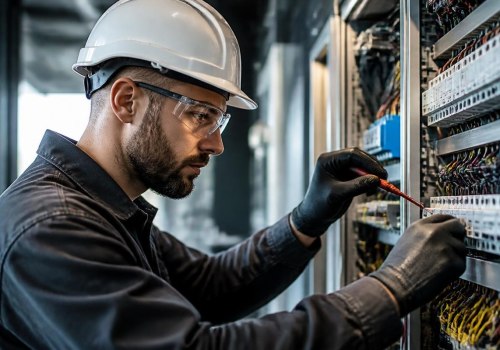
However, this structure can help students stay focused and motivated as they progress through their training. Learning styles also play a significant role in determining the most suitable training option. Some individuals thrive in hands-on environments where they can directly engage with the materials and techniques being taught. Skilled trades such as plumbing, electrical work, and carpentry often require manual skills and physical activity, making in-person training a valuable choice for these disciplines. For example, aspiring electricians benefit from on-site experiences where they can learn wiring techniques and safety protocols firsthand.
In contrast, online training may cater better to visual or auditory learners who prefer video lectures and interactive content. While online training offers convenience, it often lacks the hands-on experience that is vital for many skilled trades. Programs that provide practical simulations or virtual labs can bridge this gap, but they may not fully replicate the real-world experience gained through in-person training. Common concerns about the effectiveness of online training compared to traditional classroom settings revolve around the ability to acquire practical skills that require direct supervision and feedback from experienced instructors. To better understand the differences between these two training modalities, consider the following comparison table:
| Factor | Online Training | In-Person Training |
|---|---|---|
| Cost | Typically lower; may vary by program | Usually higher due to facility costs |
| Duration | Flexible; self-paced options available | Fixed schedule; set duration |
| Certification Outcomes | Varies by program; some accredited options available | Often includes hands-on certification; recognized by industry standards |
Electricians often command similar salaries, while carpenters may see earnings ranging from $40,000 to $70,000 annually based on their skill level and demand in their area. By choosing the right training format—whether online or in-person—individuals can position themselves for success in lucrative careers within these skilled trades. Ultimately, the choice between online and in-person training options should align with personal circumstances, learning preferences, and career goals. Each path has its own set of advantages that can lead to fulfilling hands-on jobs that pay well, empowering individuals to take charge of their careers while enjoying the benefits of skilled trades.
Understanding Online Training Options
In today’s fast-paced world, hands-on jobs that pay well are increasingly appealing, especially for school leavers and those considering a career change. Online training options provide a practical solution for individuals who wish to pursue these lucrative careers while managing other commitments.This format allows learners to engage with course materials at their convenience, making it easier to balance work, family, or personal obligations. Online training typically involves a combination of video lectures, interactive modules, and virtual assessments. Participants can access high-quality educational resources from the comfort of their own homes, which can lead to significant time and cost savings. This flexibility is particularly advantageous for those who may not be able to commit to a traditional classroom schedule. Moreover, online training programs often offer a diverse range of courses tailored to various skilled trades. This variety enables students to select the specific skills they wish to develop in preparation for careers that are not only fulfilling but also financially rewarding.
The accessibility of online learning ensures that anyone with an internet connection can take steps towards entering the skilled trades sector. In summary, understanding the benefits of online training options is crucial for anyone looking to enter hands-on jobs that pay well. The flexibility and accessibility of these programs empower individuals to pursue their career goals on their own terms, making it an attractive choice for many aspiring trade professionals.
The Value of In-Person Training
In-person training offers a unique and invaluable experience for those pursuing hands-on jobs that pay well. Unlike online programs, in-person training allows students to engage directly with instructors and participate in practical exercises that are vital for mastering the skills needed in skilled trades. This hands-on approach not only reinforces learning but also helps build confidence as trainees practice in real-world environments. One of the significant advantages of in-person training is the opportunity for direct interaction with experienced instructors.This face-to-face communication facilitates immediate feedback, clarification of complex concepts, and personalized guidance tailored to individual learning styles. Instructors can share their industry insights and best practices, enriching the learning experience far beyond what online courses can offer. Moreover, in-person training fosters networking opportunities that are essential for anyone entering skilled trades. Building connections with instructors and fellow students can lead to valuable mentorships, job leads, and collaborations that may not be possible in a virtual setting. These relationships often extend beyond the classroom, creating a support system that can benefit trainees throughout their careers. In summary, while online training options have their benefits, the advantages of in-person training—such as hands-on experience, direct instructor interaction, and networking opportunities—make it a compelling choice for individuals looking to enter hands-on jobs that pay well.
Choosing the right format is crucial, and those who opt for in-person training often find themselves better prepared to succeed in the competitive skilled trades landscape.
Comparing Costs and Time Commitment
Choosing between online and in-person training programs is a critical decision for anyone looking to enter hands-on jobs that pay well. Both formats have unique costs and time commitments that can significantly impact your journey into skilled trades. Understanding these factors will help you make an informed choice based on your personal circumstances and career goals. When it comes to costs, online training programs often appear more affordable at first glance. They typically eliminate commuting expenses and can reduce costs associated with materials and facilities.However, it’s essential to consider any additional fees for online resources or certification exams that may not be immediately apparent. In contrast, in-person training programs usually come with higher upfront costs due to facility usage and instructor fees. However, they often provide hands-on experience and networking opportunities that can be invaluable in your career. Time commitment is another crucial aspect to evaluate. Online programs tend to offer greater flexibility, allowing students to learn at their own pace and fit their studies around work or personal commitments.
This can be particularly appealing for school leavers or career changers who may have other responsibilities. On the other hand, in-person training programs generally follow a set schedule, which may require a more significant time investment each week but can lead to quicker completion times due to structured learning environments. Ultimately, the choice between online and in-person training programs should align with your learning style, financial situation, and career aspirations. Whether you opt for the flexibility of online courses or the immersive experience of in-person training, both paths can lead you toward rewarding hands-on jobs that pay well.
Choosing the Right Pathway for You
When it comes to pursuing hands-on jobs that pay well, selecting the right training format is vital. Both online and in-person training options have their distinct advantages, and the decision should align with your personal learning preferences, career aspirations, and lifestyle.For individuals who thrive in interactive environments and prefer direct guidance from instructors, in-person training may be the ideal choice. This format allows for immediate feedback, hands-on practice, and networking opportunities with peers and industry professionals. On the other hand, online training programs offer flexibility that can be particularly appealing to those with busy schedules or other commitments. If you are a self-motivated learner who can manage your time effectively, online courses can provide a comprehensive education without the constraints of a physical classroom. Consider your learning style: do you prefer structured environments or the freedom to learn at your own pace? Evaluating these factors will help you make an informed decision. Your career goals also play a significant role in this choice.
Certain skilled trades may require hands-on experience that is best gained through in-person training, while others might offer robust online programs that are equally effective. Look into the specific requirements of the trade you are interested in to see what type of training is recommended or required. Finally, consider your lifestyle. If you have family or work commitments that make attending classes difficult, online training might be the more suitable option. However, if you are eager to dive straight into practical work and can attend in-person sessions, then traditional classroom training could better serve your needs.
Remember that both pathways can lead to successful careers in skilled trades, as long as you choose the one that aligns with your personal circumstances and professional ambitions. In conclusion, exploring online vs. in-person training options reveals that both pathways can effectively lead to hands-on jobs that pay well. Online training provides flexibility and accessibility, catering to those who may have commitments or prefer a self-paced learning environment. In contrast, in-person training offers invaluable hands-on experience and direct interaction with instructors and peers, which can enhance skill acquisition and confidence. As you navigate your decision-making process, it’s crucial to reflect on your personal circumstances, preferences, and career aspirations.
Consider factors such as your learning style, schedule, and the specific requirements of the skilled trade you are interested in. Ultimately, whether you choose online or in-person training, both options can open doors to rewarding careers in skilled trades that emphasize manual skills and physical activity.