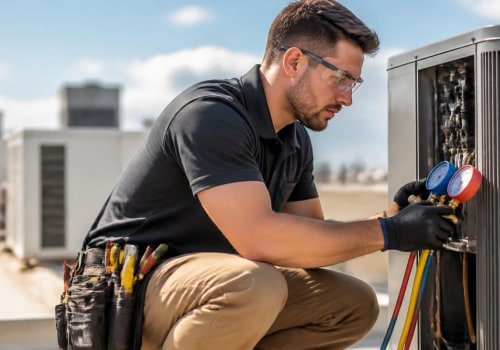
In today's fast-paced world, many individuals are seeking hands-on jobs that pay well as an alternative to traditional desk jobs. The skilled trades offer a wealth of opportunities for those who prefer practical work and wish to embark on a fulfilling career path that doesn't require a university degree. However, with so many options available, choosing the right skilled trade program can be overwhelming. This article aims to guide you through the essential factors to consider when selecting a training program that aligns with your interests, career goals, and financial aspirations. as an alternative to traditional desk jobs. The skilled trades offer a wealth of opportunities for those who prefer practical work and wish to embark on a fulfilling career path that doesn't require a university degree. However, with so many options available, choosing the right skilled trade program can be overwhelming. This article aims to guide you through the essential factors to consider when selecting a training program that aligns with your interests, career goals, and financial aspirations.
As you explore various skilled trade programs, it's crucial to understand what each one entails and how it can impact your future. From plumbing and electrical work to carpentry and welding, each trade offers unique challenges and rewards. This comprehensive guide will provide insights into evaluating programs based on curriculum quality, instructor experience, hands-on training opportunities, and job placement rates. By arming yourself with the right information, you can confidently navigate the decision-making process and set yourself up for success in a rewarding career.
Whether you're a school leaver contemplating your future or a career changer looking for a new direction, this article will equip you with the knowledge needed to choose a quality program that leads to hands-on jobs that pay well. Let's dive in and discover how to make an informed choice that propels you toward a prosperous career in the skilled trades. In today’s job market, there is a growing interest in hands-on jobs that pay well, especially among school leavers and career changers. As more individuals seek fulfilling careers that do not require a traditional university degree, the skilled trades present an appealing option. However, choosing the right training program is crucial for ensuring a successful and rewarding career.
To help you navigate this decision, we will discuss key factors to consider when selecting a quality program, including accreditation, reputation, curriculum, and hands-on experience. Accreditation is one of the most important elements to check when evaluating a training program. Accredited programs meet specific standards set by recognized organizations, ensuring that they provide quality education and training. This is vital as it not only impacts the curriculum but also influences your eligibility for licensing exams in many trades. For instance, many plumbing and electrical programs require that students graduate from an accredited institution to qualify for certification tests.
Without this accreditation, you may find it challenging to enter the workforce or advance in your chosen field. The reputation of a training program can also significantly affect your education and job prospects. Researching reviews and talking to alumni can provide insight into the quality of instruction and student support services. Programs with strong reputations often have established connections with local employers, which can lead to job placements after graduation. For example, carpentry programs affiliated with reputable construction companies may offer better internship opportunities and networking events, increasing your chances of landing a job. The curriculum is another critical factor to consider when evaluating training programs.
A comprehensive curriculum should cover both theoretical knowledge and practical skills relevant to the trade you wish to enter. For example, aspiring electricians should expect their curriculum to include electrical theory, safety practices, and hands-on training in wiring and installations. Programs that integrate real-world projects into their coursework can better prepare students for the challenges they will face in the workplace. Hands-on experience is essential when it comes to preparing for a career in skilled trades. Many successful tradespeople attribute their confidence and competence to the practical training they received during their education.
Programs that offer apprenticeships or extensive lab work provide invaluable opportunities to apply what you’ve learned in real-world settings. For instance, plumbing apprenticeships typically combine classroom instruction with on-the-job training under the supervision of experienced plumbers, allowing students to gain practical skills while earning income. When considering potential earnings, trades such as plumbing, electrical work, and carpentry offer competitive salaries that can rival those of many white-collar jobs. According to industry data, electricians can earn an average salary of around $56,000 per year, while experienced plumbers can make upwards of $70,000 annually. Moreover, these fields are projected to grow significantly over the next decade due to increasing demand for skilled labor and infrastructure development. Some individuals may have concerns about entering the skilled trades without a university degree.
It’s important to emphasize that pursuing a career in these fields does not equate to lower career viability or stability. In fact, many skilled trades offer excellent job security because they require specialized skills that are always in demand. Additionally, the absence of student loan debt associated with university degrees allows many tradespeople to achieve financial independence more quickly. As you consider your options in skilled trades, remember that apprenticeships and other practical training opportunities can serve as effective pathways into these professions. Many trade associations offer apprenticeship programs that combine paid work experience with classroom learning.
This approach allows you to earn while you learn and gain essential skills needed for your future career. In summary, selecting a quality training program is crucial for anyone interested in pursuing hands-on jobs that pay well. By considering factors such as accreditation, reputation, curriculum, and hands-on experience, you can ensure that you receive a solid education that prepares you for success in the job market. With various trade options available and strong earning potential across the board, now is an excellent time to explore the rewarding opportunities within skilled trades.
Understanding Accreditation and Reputation
When exploring hands-on jobs that pay well, it is crucial to understand the significance of selecting a training program that is accredited by recognized bodies. Accreditation serves as a quality assurance marker, indicating that the program meets specific educational standards set by professional organizations or government entities.Programs that are accredited not only provide you with the necessary skills but also enhance your employability by ensuring that potential employers recognize the value of your education. To research a program's accreditation, start by checking the institution's website for any information regarding its accreditation status. Look for affiliations with reputable organizations in the skilled trades sector. Additionally, you can consult resources such as the Council for Higher Education Accreditation (CHEA) or the U.S. Department of Education to verify the legitimacy of an accrediting body. Moreover, evaluating a program's reputation is equally important.
Speak with current students or alumni to gain insights into their experiences. Online reviews and ratings can also provide valuable feedback about the quality of education and job placement rates. By taking the time to assess both accreditation and reputation, you can make an informed decision about which program aligns best with your career aspirations and offers strong earning potential.
Alternative Pathways: Apprenticeships and Certifications
For those interested in hands-on jobs that pay well, exploring alternative pathways like apprenticeships and certifications can be an excellent way to kickstart a successful career in the skilled trades. Apprenticeships combine on-the-job training with classroom instruction, allowing individuals to earn while they learn.Typically, apprentices work under the guidance of experienced professionals, gaining practical skills and knowledge in their chosen trade. This approach not only helps them build a strong foundation but also makes them more attractive to employers upon completion. Certification routes can vary widely depending on the trade. Some trades require formal certification to practice legally, while others may offer voluntary certifications that enhance a worker's credentials. For instance, electricians and plumbers often need to pass specific licensing exams after completing their apprenticeships, ensuring they meet industry standards.
On the other hand, fields like welding may offer various certifications that validate an individual's skill level and expertise. Choosing a quality program that includes these pathways is crucial for anyone looking to enter the skilled trades. Programs that emphasize hands-on experience and provide access to apprenticeship opportunities or certification courses can significantly impact long-term career success and earning potential. By understanding these options, aspiring tradespeople can make informed decisions that align with their career goals.
Curriculum and Hands-On Experience
When exploring hands-on jobs that pay well, one of the most critical factors to consider is the quality of the curriculum offered by training programs. A well-rounded curriculum should encompass both theoretical knowledge and practical skills essential for success in skilled trades.This means that students should engage with various subjects related to their chosen field, ensuring they gain a comprehensive understanding of the trade's principles and practices. In addition to theoretical components, a quality program must prioritize hands-on experience. This experiential learning is vital, as it allows students to apply what they have learned in real-world scenarios, enhancing their competence and confidence. Programs that incorporate apprenticeships, workshops, or lab work enable students to hone their skills under the guidance of experienced professionals. These opportunities not only build technical abilities but also help students develop problem-solving skills and adaptability, which are crucial in fast-paced work environments. Furthermore, a robust curriculum will often include safety training and compliance education, ensuring that graduates are well-prepared to meet industry standards and regulations.
This focus on safety is essential for reducing workplace accidents and creating a more secure working environment for all. Ultimately, selecting a program that offers a balanced combination of theoretical education and substantial hands-on experience can significantly enhance career prospects in hands-on jobs that pay well, setting graduates up for long-term success in their chosen trades.
Exploring Career Opportunities and Earnings
In today’s job market, there is a growing demand for hands-on jobs that pay well, particularly in skilled trades. These careers not only offer the opportunity to work with your hands but also provide substantial earning potential. With advancements in technology and infrastructure, skilled trades are becoming increasingly vital, leading to a variety of career paths that school leavers and career changers can explore. Some of the most promising skilled trade careers include electricians, plumbers, HVAC technicians, and carpenters.For instance, electricians are responsible for installing and maintaining electrical systems, with an average salary of around $56,000 per year. Plumbers, who work on piping systems for water and gas, can earn a similar amount, often exceeding $60,000 as they gain experience. HVAC technicians, who focus on heating, ventilation, and air conditioning systems, typically have an average salary of about $50,000 annually. Meanwhile, carpenters craft structures from wood and other materials and can also expect salaries in the range of $48,000 to $55,000. The job prospects in these fields are robust.
According to labor statistics, many skilled trades are experiencing growth rates above the national average. For example, employment for electricians is projected to grow by 8% over the next decade due to increasing energy demands and the need for renewable energy sources. Similarly, the plumbing sector is expected to grow by 4%, driven by new construction and the need to replace aging infrastructure. By choosing a quality program that aligns with these career paths, individuals can set themselves up for success in these lucrative fields. The combination of strong earning potential and job security makes skilled trades an appealing option for those seeking fulfilling and financially rewarding careers. In conclusion, the journey towards a rewarding career in hands-on jobs that pay well begins with making informed choices about your training program.
As we discussed, it's essential to thoroughly understand the accreditation and reputation of any institution, as well as the curriculum and hands-on experience they offer. These factors will not only impact your education but also the career opportunities and earning potential that await you after graduation. Taking the time to research various programs ensures that you find one that aligns with your personal and professional goals. Whether you are a school leaver or considering a career change, selecting a quality program tailored to your aspirations is crucial for a successful transition into the skilled trades. Remember, your future in hands-on jobs that pay well depends on the decisions you make today.